

You might have recently launched a Google Ads campaign and found yourself asking the same question most businesses do… how long do Google Ads take to work?
It’s a fair concern. You’re spending money, watching the dashboard, and wondering when the results will actually come in.
In this post, I’m going to walk you through exactly what to expect when you launch Google Ads, based on real campaign experience. I’ll break it down into clear timeframes so you know what’s normal, what’s not, and when you should start seeing a return.
The First Week: Is Your Campaign Even Working?
The first week is all about one thing… are your ads actually running properly?
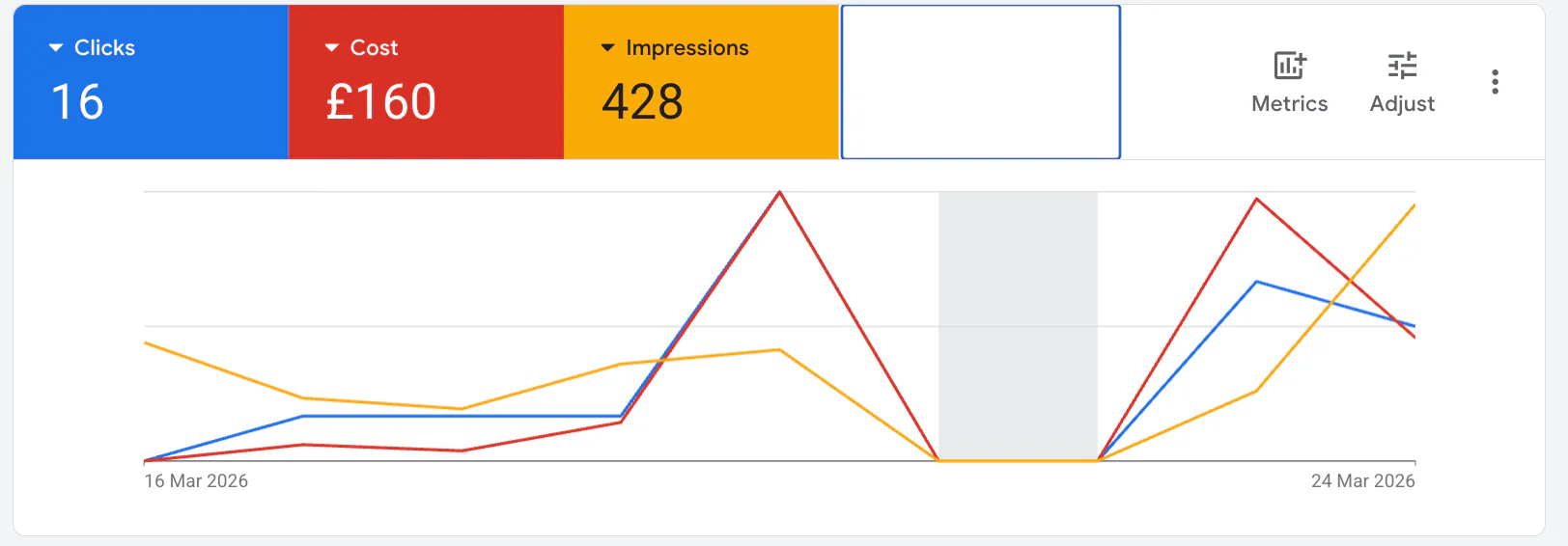
The biggest indicator here is impressions.
If your campaign is set up correctly, you should start seeing impressions coming through within the first few days. This means your ads are being shown to users.
What to look for in week one:
Impressions starting to appear
Ads being approved and live
Early signs of traffic (but not always immediately)
If you’re seeing zero impressions, that’s the biggest red flag. It usually means:
Your targeting is too narrow
Your bids are too low
There’s an issue with your setup
It’s worth noting, you don’t pay for impressions. You only pay when someone clicks.
What about clicks?
Clicks can take a bit longer to come in.
This is especially true if you're using a strategy like Maximise Conversions. In the early days, Google is still testing how aggressively to bid.
I’ve seen this many times where:
Impressions come in first
Clicks take a few days to follow
Then performance starts to stabilise
For example, I launched a brand new ad in an account with existing data. It started getting impressions almost immediately, but clicks didn’t come through straight away.
That’s because Google was still figuring out bidding levels. Initially, it wasn’t bidding high enough to secure strong positions. Once it adjusted, clicks became more consistent, although spend still fluctuated early on.
Your goal in week one:
Don’t focus on profit yet.
Focus on:
Getting visibility
Generating some clicks
Making sure everything is tracking properly
The First Month: Data Gathering Phase
The first month is where your campaign starts to build useful data.
This is often misunderstood. Many businesses expect immediate profitability, but in reality, this phase is about learning.
What should happen in the first month:
Click volume increases
First conversions start coming in
Google begins understanding your audience
Even if conversions aren’t massively profitable yet, that’s okay.
You’re feeding data into the system, which helps Google optimise over time.
What you should focus on:
Generating consistent traffic
Tracking conversions accurately
Identifying early trends
This is also where small adjustments can start to be made, but nothing drastic.
4 to 12 Weeks: When Profitability Starts to Show
In most cases, this is the timeframe where businesses begin to see consistent ROI.
By this point:
Google has learned who your ideal customer is
Campaigns have enough data to optimise properly
Poor-performing elements can be reduced or removed
This is also where working with a specialist really starts to pay off.
From experience, this is the stage where I typically:
Cut out wasted spend
Refine keyword targeting
Improve ad messaging
Focus budget on what’s actually converting
This is what turns a campaign from “just running” into something profitable.
Long-Term Success: Why Performance Improves Over Time
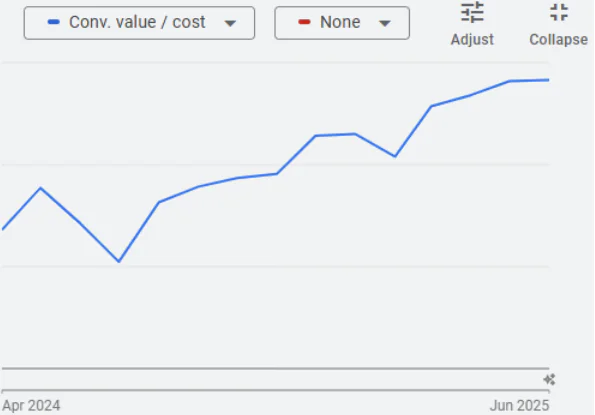
Even though you might start seeing ROI around the 3-month mark, it doesn’t mean performance stays flat.
In fact, I often find campaigns get better the longer they run.
Why performance improves over time:
More historical data to optimise from
Better audience targeting
Ongoing ad testing and improvements
Website optimisation and A/B testing
I’ve taken over accounts where performance steadily increased month after month, rather than staying consistent.
That’s because optimisation doesn’t stop at Google Ads. It also includes:
Landing page improvements
Conversion rate optimisation
Testing different offers
External Factors That Affect Results
Not every campaign follows the exact same timeline. There are several external factors that can impact how quickly Google Ads works.
Seasonality
Certain times of year naturally perform worse.
For example:
Christmas can be very slow for B2B lead generation
Some industries see major dips during holidays
In some cases, it may even make sense to pause campaigns during low-demand periods.
Industry Competition
Highly competitive industries take longer to optimise.
Examples include:
Clothing and eCommerce
Legal services
Payroll and finance
More competition means:
Higher CPCs
More advertisers bidding on the same keywords
Harder to win clicks consistently
Budget Levels
If your CPCs are high and your budget is limited:
You’ll get fewer clicks
Data takes longer to build
Optimisation slows down
Everything comes back to your market and your audience.
How to Speed Up Google Ads Results
While you can’t force instant success, there are ways to improve your chances of faster results.
1. Avoid Constant Changes
It’s tempting to keep tweaking things, especially if results aren’t immediate.
But frequent changes can:
Reset the learning phase
Delay optimisation
Confuse performance signals
2. Fix Low Impressions Early
If after two weeks you have:
Very low impressions
No clicks
You likely need to expand your keyword targeting.
3. Get Conversion Tracking Right
This is critical.
Good tracking allows you to:
Measure real performance
Tell Google what a valuable user looks like
For example, tracking phone calls for lead generation is far more useful than tracking basic page views.
4. Use Existing Data (If Available)
If you have existing customer data, you can feed this into Google Ads.
This helps Google:
Identify your ideal audience faster
Optimise campaigns earlier
It’s not essential, but it can definitely give you a head start.
Conclusion: What Should You Expect?
So, how long do Google Ads take to work?
In most cases:
Week 1: Impressions and early clicks
Month 1: Data gathering and initial conversions
3 Months: Consistent ROI begins to develop
The key is patience and proper setup.
Google Ads isn’t instant, but when managed properly, it can become one of the most reliable ways to generate leads and revenue.
If you’re interested in professional PPC management to grow your business, feel free to get in touch via my contact page at jonnyswiftppc.com/contact. I’d be happy to discuss how PPC can work for you.
Related Google Ads Guides
While your campaigns begin collecting data, these guides can help you check that everything is working properly: