

If you're running ads or even just getting started with PPC, one of the most common frustrations is low click-through rates.
You might be getting impressions, but not enough people are actually clicking.
There are a lot of factors that influence this. Bidding strategy, competition, and overall demand all play a role. But in many cases, the issue comes down to something much simpler… your PPC ad copy just isn’t compelling enough.
In this guide, I’m going to walk you through exactly what you should include in your Google Ads to improve your click-through rate and make your ads more effective.
What You Should Include in Your PPC Ad Copy
Writing good ad copy isn’t about being clever. It’s about being clear, relevant, and aligned with what your potential customer actually wants.
Here are the key elements I always focus on when building or improving ads.
Target Keywords
If you’re targeting specific keywords in your campaigns, you should be using them in your ad copy. Simple as that.
Including your target keywords does two important things:
It immediately shows relevance to the person searching
It signals to Google that your ad matches the search intent
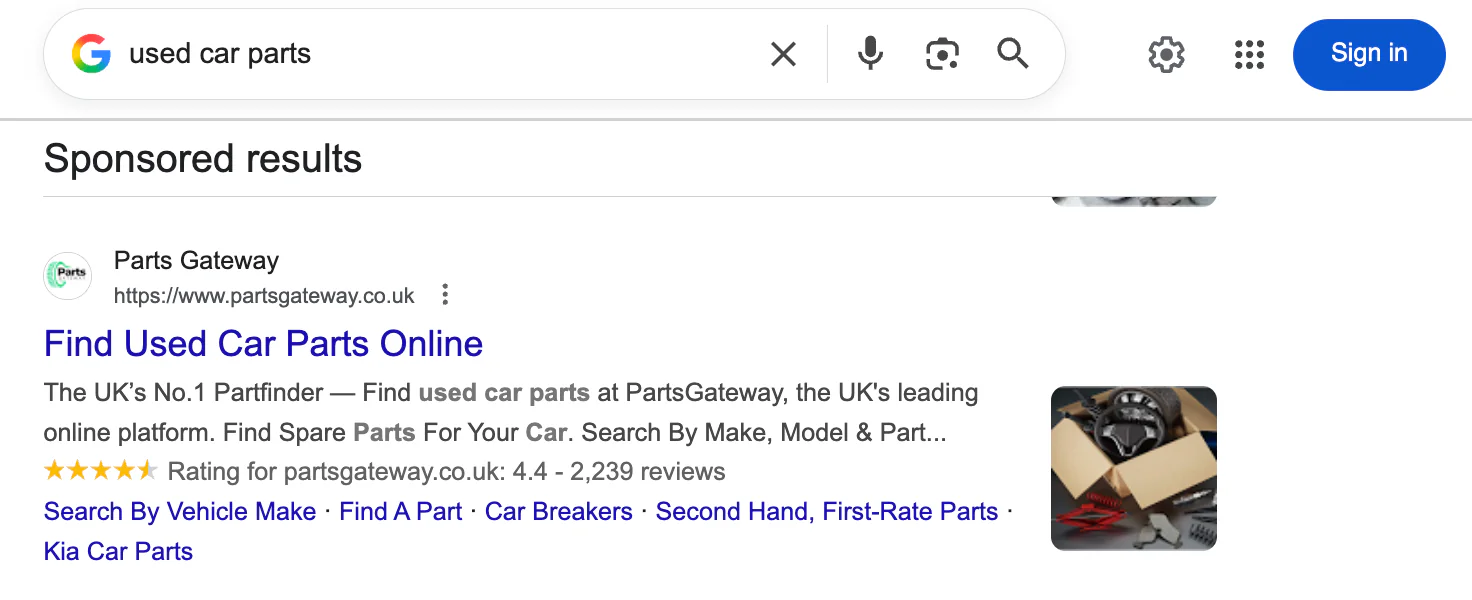
For example, if someone searches for “emergency plumber Bournemouth” and your ad headline includes that exact phrase, it stands out straight away.
You’ll notice this across most search results. Ads almost always reflect the keyword being searched. That’s not a coincidence, it’s standard practice because it works.
From a performance point of view, this can improve:
Click-through rate
Quality Score
Overall ad positioning
So if you're not already doing this, it’s one of the quickest wins available.
Pain Points and USPs
This is where most businesses fall short.
You need to put yourself in the customer’s position and ask:
What do they actually care about right now?
Let’s take a plumber as an example.
If someone is searching for a plumber, they’re probably dealing with an urgent issue. They don’t want to scroll through generic ads. They want reassurance.
Things like:
“Available within 1 hour”
“Local Bournemouth plumber”
“No call-out fee”
These speak directly to the problem they’re trying to solve.
The same applies across industries.
If you're running e-commerce ads, especially for products people may not trust straight away, you need to reduce risk and build confidence:
Quality checks during production
Money-back guarantees
Fast delivery promises
In my experience, this is one of the biggest drivers of both click-through rate and conversions.
It’s not just about what you sell, it’s about how clearly you communicate why someone should choose you.
Region and Local Relevance
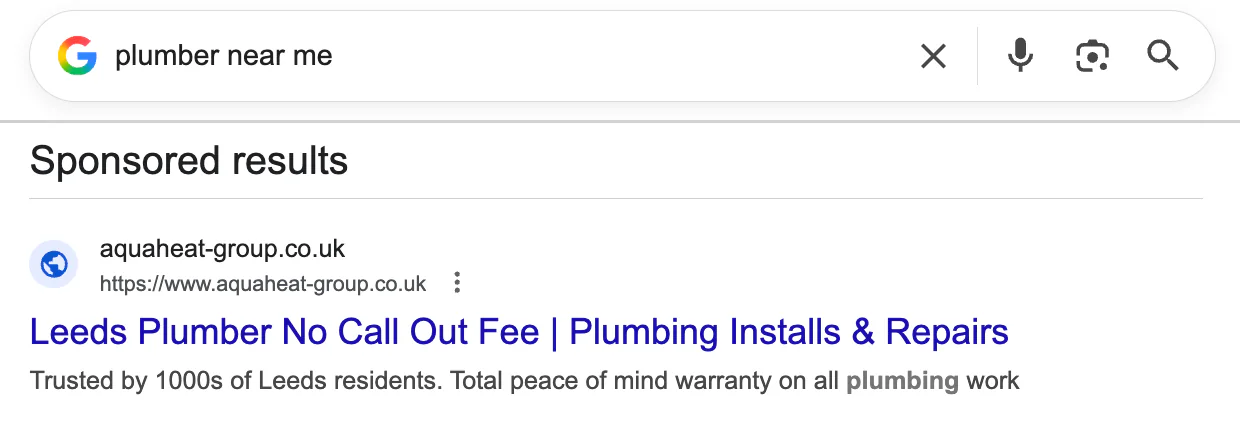
For lead generation businesses especially, location matters a lot.
People naturally trust businesses that feel local or relevant to them.
Including your region in your ad copy can make a noticeable difference:
“Plumber in Bournemouth”
“Leeds car parts specialist”
“Local roofing experts near you”
This gives users confidence that:
You actually serve their area
You can respond quickly
You understand local needs
There are also cases where values-based positioning can work well.
For example:
Sustainable or eco-friendly products
Locally sourced materials
Women-owned businesses
That said, this depends on your audience. In some cases it can improve performance, in others it may not make much difference.
It’s always worth testing rather than assuming.
What NOT to Include in Your PPC Ads
Just as important as what you include is what you avoid.
There are a few mistakes I still see quite often, and they can seriously hurt performance or even cause bigger issues.
Competitors’ Names
Using competitor brand names in your ad copy is something I strongly advise against.
Not only can this lead to disapproved ads, but it can also create legal complications depending on how it’s used.
It’s just not worth the risk.
Focus on your own strengths instead.
Misspellings
This sounds obvious, but it happens more than you’d think.
Spelling mistakes instantly reduce trust.
If someone sees a poorly written ad, they’re far more likely to dismiss it than click it.
Always double check:
Headlines
Descriptions
Display URLs
It’s a small detail that makes a big difference to first impressions.
Misleading Claims or Lies
Strong USPs are important, but they have to be genuine.
If you claim:
“Same-day service”
“Guaranteed results”
“Fastest delivery”
You need to actually deliver on those promises.
If not, it will come back to bite you through:
Negative reviews
Refund requests
Damage to your reputation
In PPC, trust is everything. Once it’s lost, performance drops quickly.
So keep your messaging honest and accurate.
Final Thoughts
Once you’ve drafted your headlines and descriptions, use my free Google Ads preview tool to check the character limits and see how different responsive search ad combinations could appear before publishing.
Good PPC ad copy isn’t about being flashy or overly creative.
It’s about being relevant, clear, and focused on what your customer actually cares about.
If you take anything from this, focus on:
Using your target keywords properly
Addressing real customer pain points
Highlighting genuine USPs
Adding local relevance where it matters
Avoiding misleading or low-quality messaging
Get those right, and you’ll put yourself in a much stronger position to improve both click-through rates and conversions.
If you're interested in professional PPC management to grow your business, feel free to get in touch via my contact page at jonnyswiftppc.com/contact. I'd be happy to discuss how PPC can work for you.