

If you're running Google Ads or Meta Ads and you've come across the term PPC landing page, it's completely normal to wonder what it actually means and how it's different from a standard page on your website.
In this guide, I’ll break it down clearly based on real-world PPC experience. I’ll explain what a PPC landing page is, why businesses use them, and what features actually improve conversions.
By the end, you’ll know exactly what kind of page you should be sending your paid traffic to and why it matters.
What Is a PPC Landing Page?
A PPC landing page is a page on your website that is specifically designed for paid traffic, such as Google Ads or Meta Ads.
This could be:
A dedicated landing page built purely for PPC
A product page
A category page
Or even a service page with strong conversion elements
The key difference is intent.
A PPC landing page is built for people who are ready to take action, whether that’s making a purchase or getting in touch.
In some cases, businesses use existing pages that already perform well. In others, especially lead generation, they create completely separate pages tailored specifically for ads.
Why PPC Landing Pages Are Different from Standard Pages
The biggest difference comes down to how direct and conversion-focused they are.
A typical website page might:
Educate the user
Provide lots of navigation options
Let users explore at their own pace
A PPC landing page does the opposite.
It’s designed to:
Get straight to the point
Match exactly what the user clicked on
Push the user towards a conversion quickly
In my experience, PPC pages are far more sales-driven and focused, because the traffic is already high intent.
You’re paying for every click, so the goal is simple:
turn that click into a lead or a sale as efficiently as possible.
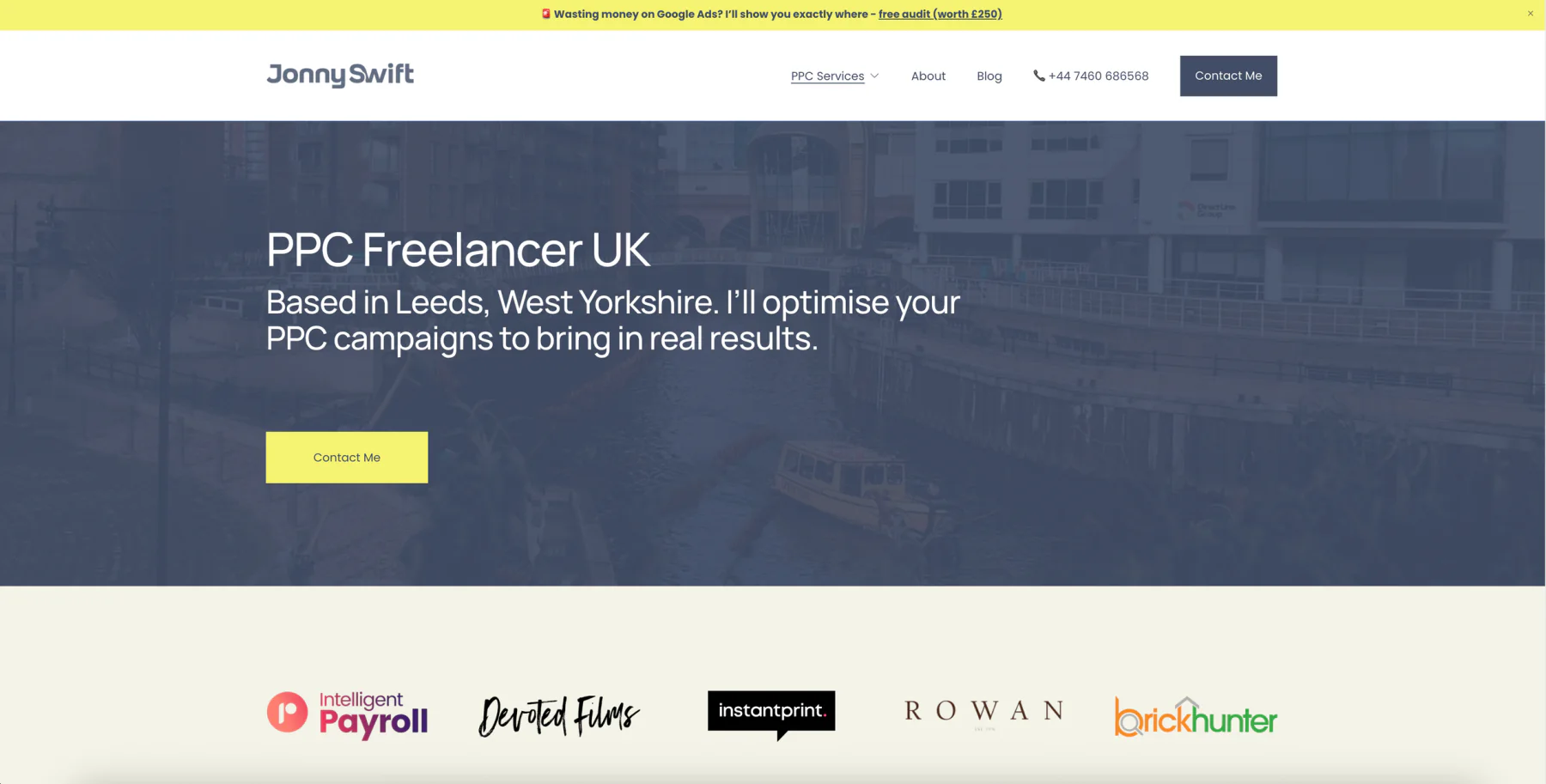
My homepage as of April 2026
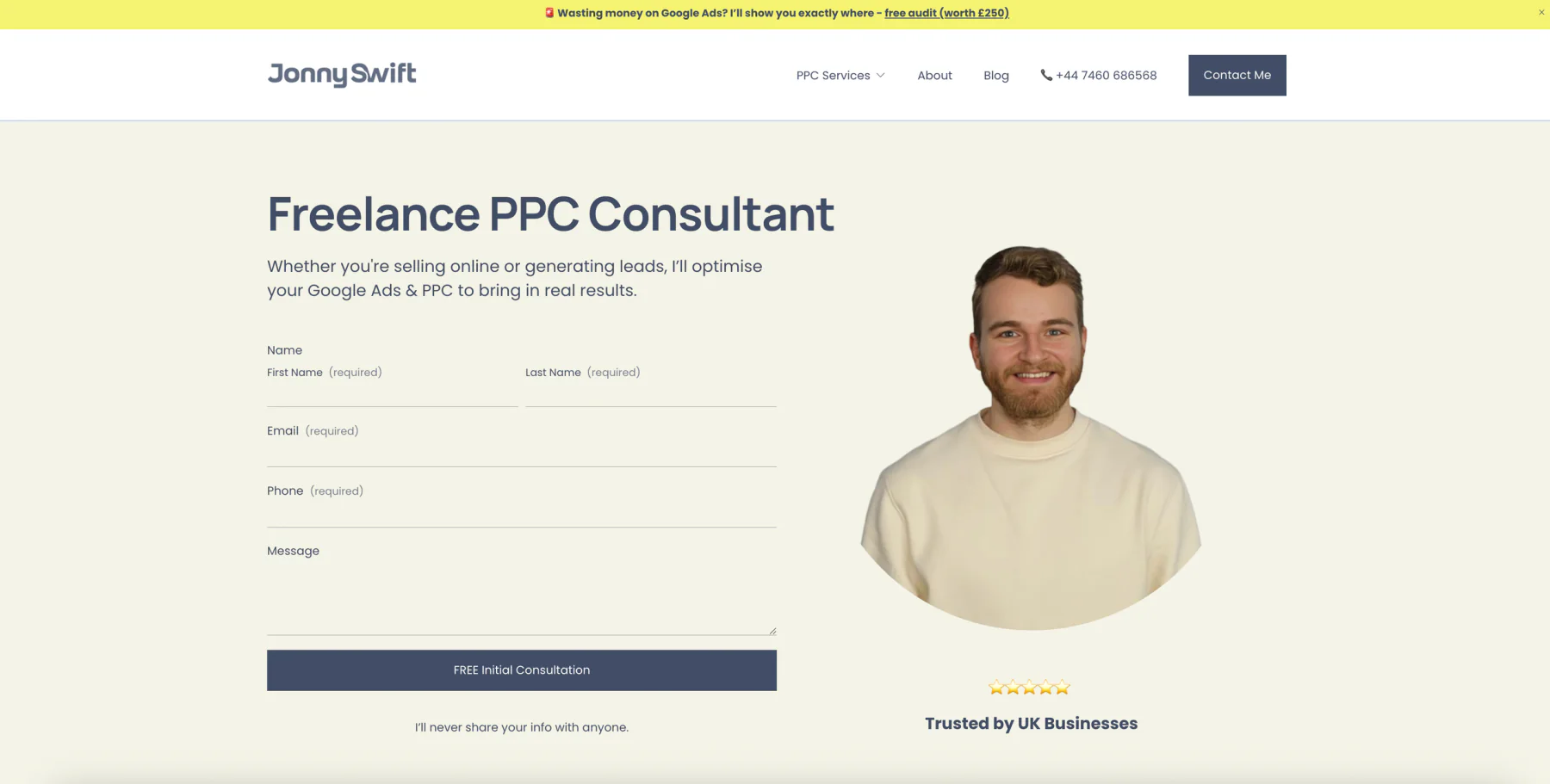
A PPC page example, with the contact at the top for serving high-intent
Why Businesses Use Dedicated PPC Landing Pages
The main reason is simple: better conversion rates.
Sending paid traffic to a generic page like a homepage usually leads to:
Lower engagement
Confusion
Wasted ad spend
Whereas a focused landing page:
Matches the ad message
Reduces distractions
Makes the next step obvious
This is especially important for:
Google Ads campaigns targeting high-intent searches
Meta Ads campaigns targeting specific offers
Lead generation campaigns where speed matters
In short, a well-built PPC landing page helps you get more value from your ad spend.
Key Features of a PPC Landing Page
What you include on your landing page depends on whether you're running:
E-commerce campaigns
Lead generation campaigns
Both have different priorities, so I’ll break them down separately.
E-commerce Landing Pages
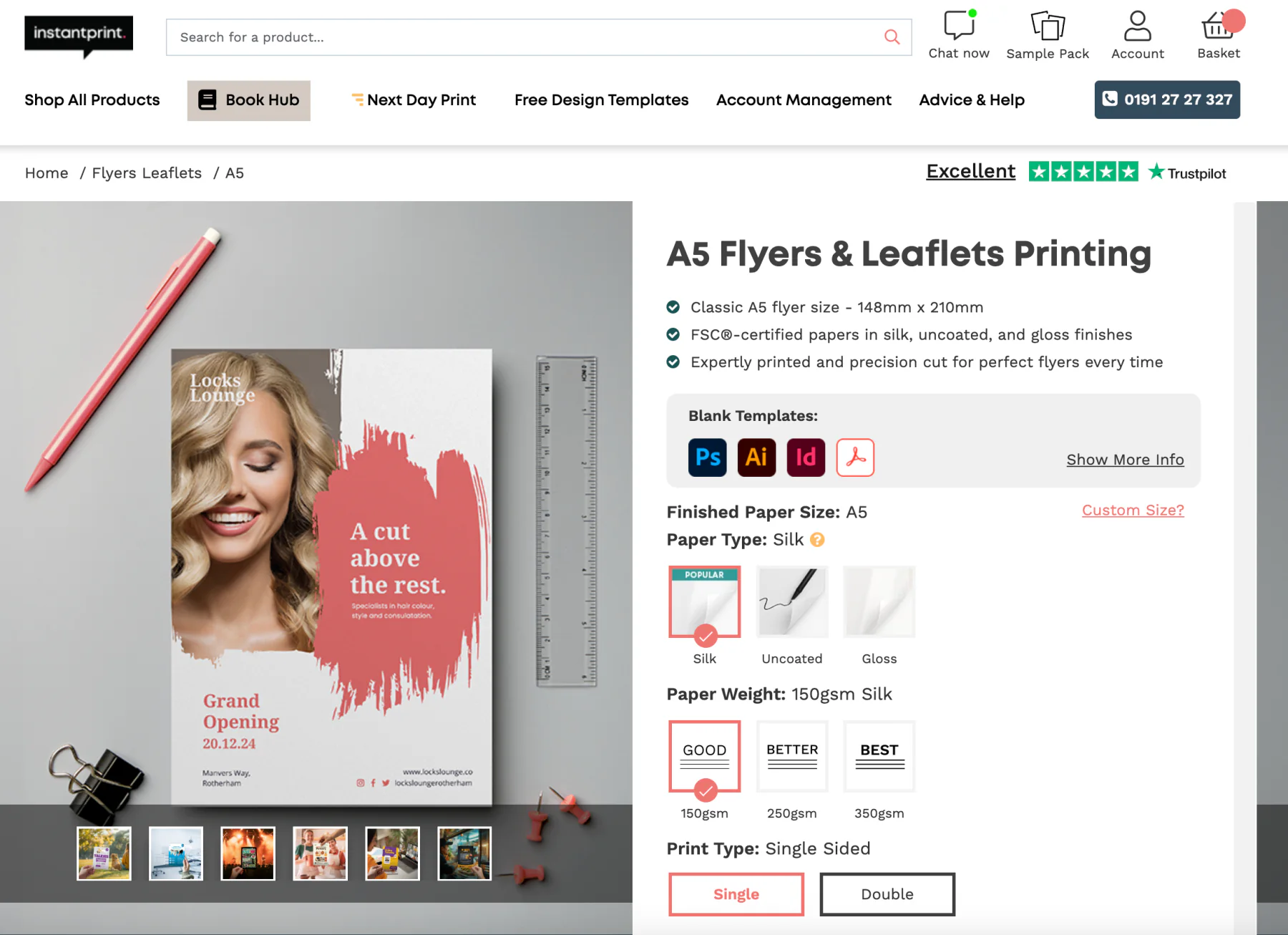
E-commerce PPC landing pages are all about trust and making it easy to buy.
If someone clicks your ad, they should be able to purchase with minimal friction.
Here’s what I recommend including:
1. Social Proof (Reviews)
Trustpilot reviews
Google reviews
Product-specific reviews
This reassures users that your product is legitimate and worth buying.
2. Easy Checkout Process
Simple checkout flow
Minimal steps
Clear call-to-action buttons
Any friction here will cost you sales.
3. Relevancy to the Ad
The product shown in the ad should be exactly what users land on
Avoid sending users to generic category pages if possible
Relevance is a major factor in both conversions and ad performance.
4. Clear USPs
Examples include:
Free delivery
Next-day shipping
Money-back guarantee
These help push users to make a decision.
5. Transparent Pricing
No hidden costs
Clear pricing upfront
Unexpected costs at checkout are one of the biggest conversion killers.
Lead Generation Landing Pages
Lead generation landing pages are different. The goal here isn’t a purchase, it’s getting someone to contact you.
These pages should focus on trust, clarity, and ease of contact.
Here’s what matters most:
1. Clear Contact Options
Contact form
Phone number
Email address
Make it as easy as possible for users to reach you.
2. Strong Social Proof
Reviews
Testimonials
Case studies
People want reassurance before enquiring.
3. Previous Work / Clients
Show:
Past customers
Brands you’ve worked with
Before and after examples
This builds credibility quickly.
4. Location Information
If you're a local service business, this is key.
Clearly state where you operate
Reinforce local trust
5. Relevant Imagery
For services like:
Cleaning
Construction
Plumbing
Show real examples of your work.
6. Clear USPs
For example:
Fast response times
Same-day service
Free quotes
This is especially important in urgent services where people want immediate help.
Common PPC Landing Page Mistakes
From managing campaigns, these are the issues I see most often:
Sending traffic to a homepage
Too many distractions or navigation options
Weak or unclear call-to-action
Mismatch between ad and landing page
Slow-loading pages
Fixing these alone can significantly improve performance.
Conclusion
A PPC landing page isn’t just another page on your website. It’s a key part of your ad strategy.
Done properly, it can:
Increase conversion rates
Lower your cost per lead or sale
Improve overall campaign performance
The main thing to remember is this:
your landing page should match intent and make it easy to take action.
If you're interested in professional PPC management to grow your business, feel free to get in touch via my contact page at jonnyswiftppc.com/contact. I'd be happy to discuss how PPC can work for you.