

You might be looking into getting started with Google Ads, but then you’ve come across the term “paid search” instead of PPC.
It’s a common point of confusion.
Are they the same thing? Are they different strategies? And more importantly, which one actually matters for your business?
In this blog, I’m going to break it down clearly, explain how they overlap, and help you understand what you should actually focus on when running ads.
What Is PPC?
It’s exactly what it sounds like. You run ads and only pay when someone clicks on them.
Simple in theory, but powerful in practice.
Most PPC platforms work on this model, including:
Google Ads
TikTok Ads
LinkedIn Ads
That said, not every ad format is strictly pay-per-click.
For example:
YouTube ads often charge per 1,000 views (CPM)
Display ads can also be impression-based
Despite this, “PPC” has become a catch-all term for paid online advertising in general.
In my experience, when businesses say PPC, they usually mean any form of paid digital ads, regardless of how the billing actually works.
What Is Paid Search?
Paid search is more specific.
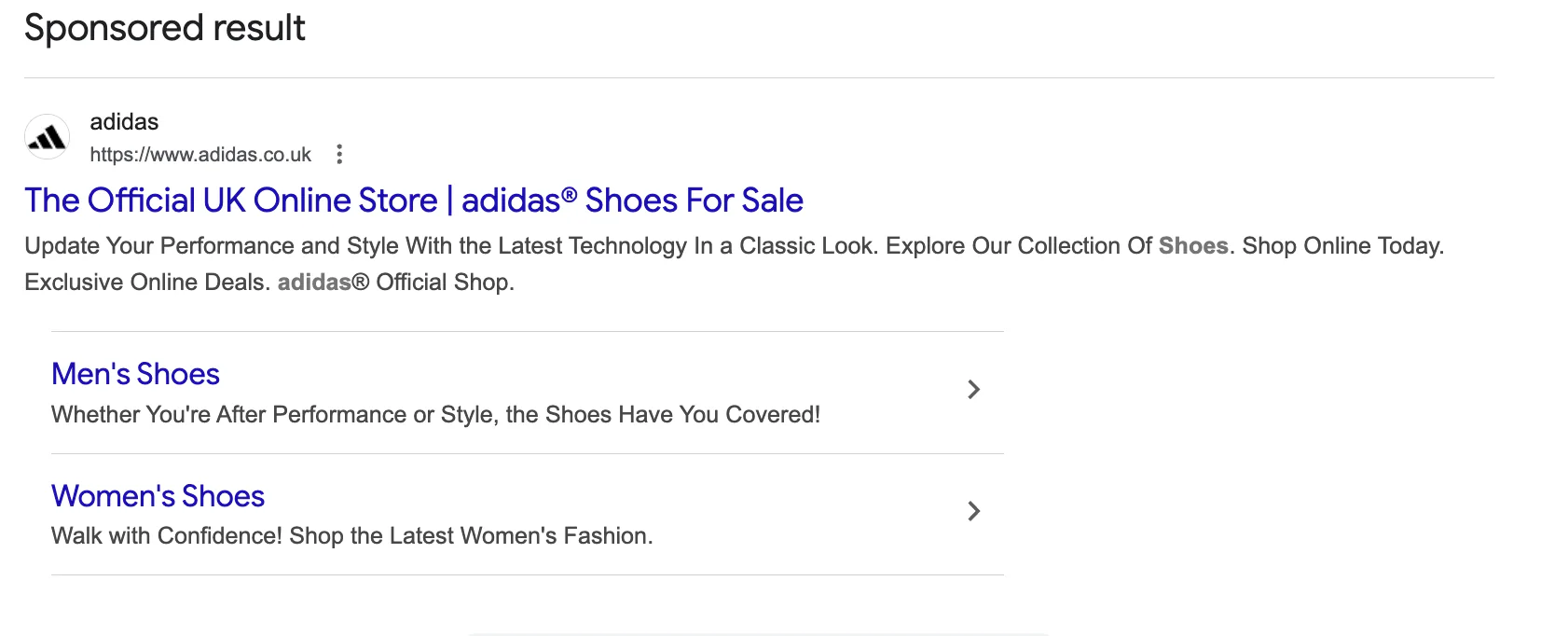
It refers to ads that appear when someone actively searches for something on a search engine like Google or Bing.
For example:
If someone searches:
“women’s shoes size 5”
And your ad appears at the top of the results, that’s a paid search ad.
The key difference here is intent.
These users are:
Actively looking for a product or service
Further along in the buying journey
More likely to convert
That’s why paid search is often one of the most effective forms of advertising.
You’re not interrupting someone. You’re showing up exactly when they need you.
Why PPC and Paid Search Are Often Used Interchangeably
This is where the confusion comes in.
Paid search is actually a type of PPC.
But because search ads are:
The most widely used
The most accessible for businesses
Often the most profitable
People tend to use “PPC” and “paid search” as if they mean the same thing.
In reality:
All paid search is PPC
But not all PPC is paid search
From a practical point of view, especially in client conversations, the two terms often overlap.
And to be fair, if you’re running Google Ads search campaigns, calling it PPC isn’t wrong.
Why Paid Search Works So Well for Most Businesses
In my experience managing campaigns, paid search is usually the easiest way to generate a return.
That comes down to intent.
You’re targeting people who are already searching for what you offer.
That leads to:
Higher conversion rates
More qualified traffic
Better return on ad spend
Compared to other PPC formats like social media ads, where you’re targeting based on interests rather than intent, search is far more direct.
That’s why for most businesses, especially service-based ones, I recommend starting with paid search before expanding into other channels.
Conclusion
PPC and paid search are closely connected, which is why they’re often confused.
But the key takeaway is this:
PPC is the broader term, and paid search sits within it.
In practical terms, if you’re running Google search ads, you’re doing both.
The important thing isn’t the terminology. It’s understanding how each approach works and using the right one for your goals.
If you're interested in professional PPC management to grow your business, feel free to get in touch via my contact page at jonnyswiftppc.com/contact. I'd be happy to discuss how PPC can work for you.