

Google Ads vs Meta Ads: Which Is Better for Your Business?
You might be looking to invest more heavily in PPC advertising, but one of the biggest questions business owners ask is whether they should choose Google Ads or Meta Ads.
The truth is that neither platform is universally better. It all depends on what you're selling and how your potential customers behave online.
In this guide, I'll explain the differences between Google Ads and Meta Ads, when each platform works best, and how to decide which one is right for your business.
What Is the Difference Between Google Ads and Meta Ads?
The biggest difference between Google Ads and Meta Ads comes down to intent.
Google Ads: High-Intent Advertising
Google Ads allows you to target people who are actively searching for a product or service that you offer.
For example, if someone searches for terms such as:
Google Ads freelancer
Google Ads consultant
they already know what they want. They're actively looking for someone to help them.
That means the intent behind the search is often very high, making Google Ads particularly effective for businesses that solve an immediate problem or fulfil an existing demand.
Meta Ads: Interest-Based Advertising
Meta Ads, which include Facebook and Instagram advertising, work differently.
Rather than targeting people based on what they're searching for, Meta allows you to define a target audience based on factors such as:
Interests
Demographics
Behaviours
Previous interactions with your business
Meta's algorithm then identifies people who are most likely to engage with your product or service and shows your ads to them.
The challenge is that these users aren't actively searching for what you offer. Instead, you're interrupting their browsing experience and creating demand.
In simple terms:
Google Ads = high intent
Meta Ads = lower intent
That doesn't mean Meta Ads are less effective. They simply serve a different purpose.
When Are Meta Ads Better?
Meta Ads can work exceptionally well if you're promoting something that people may not actively search for.
This could include:
New or innovative products
Products that solve problems people haven't recognised yet
Limited-time promotions
Strong lead magnets or offers
Visually appealing e-commerce products
For example, in my own business, I find that promoting PPC freelancing services directly through Meta Ads can be challenging. Google Ads tends to perform better because people are already searching for a PPC freelancer.
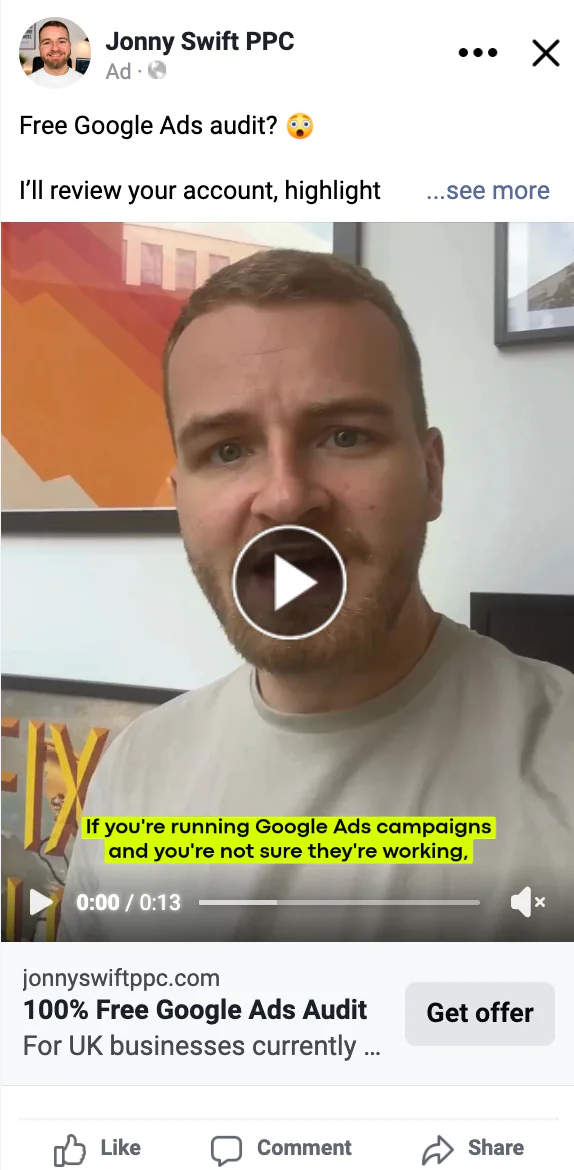
However, I've had strong results on Meta by offering a free Google Ads audit.
It's a compelling offer that many business owners find valuable, even if they weren't actively looking for PPC support at that moment.
The same principle applies to e-commerce brands. If you have a product that people aren't specifically searching for, Meta Ads can generate demand and introduce your products to entirely new audiences.
Meta Ads also tend to perform particularly well when you have high-quality creative assets, especially engaging video content.
After all, on Facebook and Instagram, the visuals are often what stop someone from scrolling.
When Are Google Ads Better?
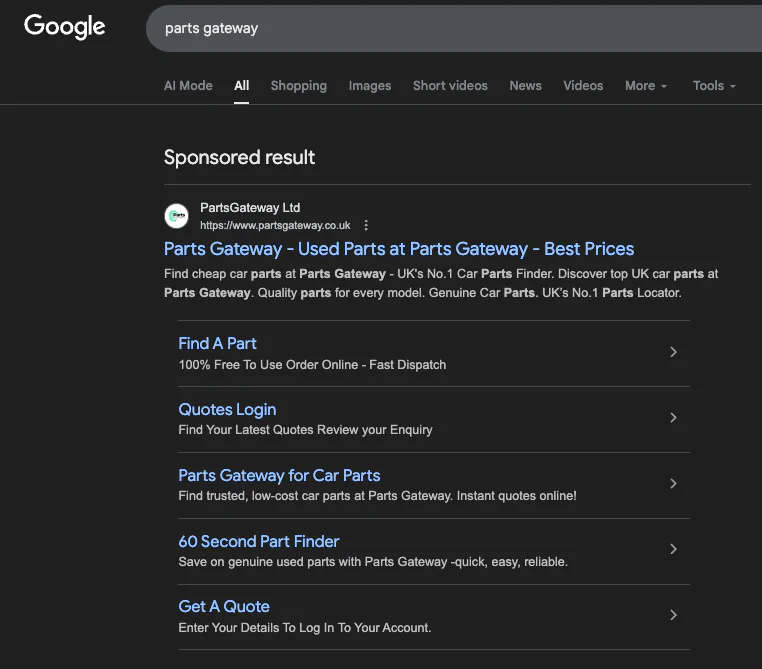
Google Ads generally performs best when people already know what they want and are actively searching for it.
For example, if you sell A5 flyers, there's a good chance people are already searching terms such as:
A5 flyers printing
Flyer printing services
Cheap flyer printing
In these situations, Google Ads allows you to capture existing demand rather than trying to create it.
I also find that Google Ads works particularly well for service-based businesses.
Take a local plumber as an example. When someone searches "plumber near me", they're usually looking for help immediately.
Google Ads places your business directly in front of those potential customers at exactly the right time.
Meta Ads can struggle in these scenarios because Facebook and Instagram don't know who currently needs a plumber. They can only make educated guesses based on user behaviour.
Another advantage of Google Ads is consistency.
While ad copy should still be tested and optimised, you don't necessarily need to continually create fresh images and videos in the same way you often do with Meta campaigns.
For businesses looking for a steady stream of enquiries from people with clear buying intent, Google Ads can be an excellent option.
So, Which Platform Should You Choose?
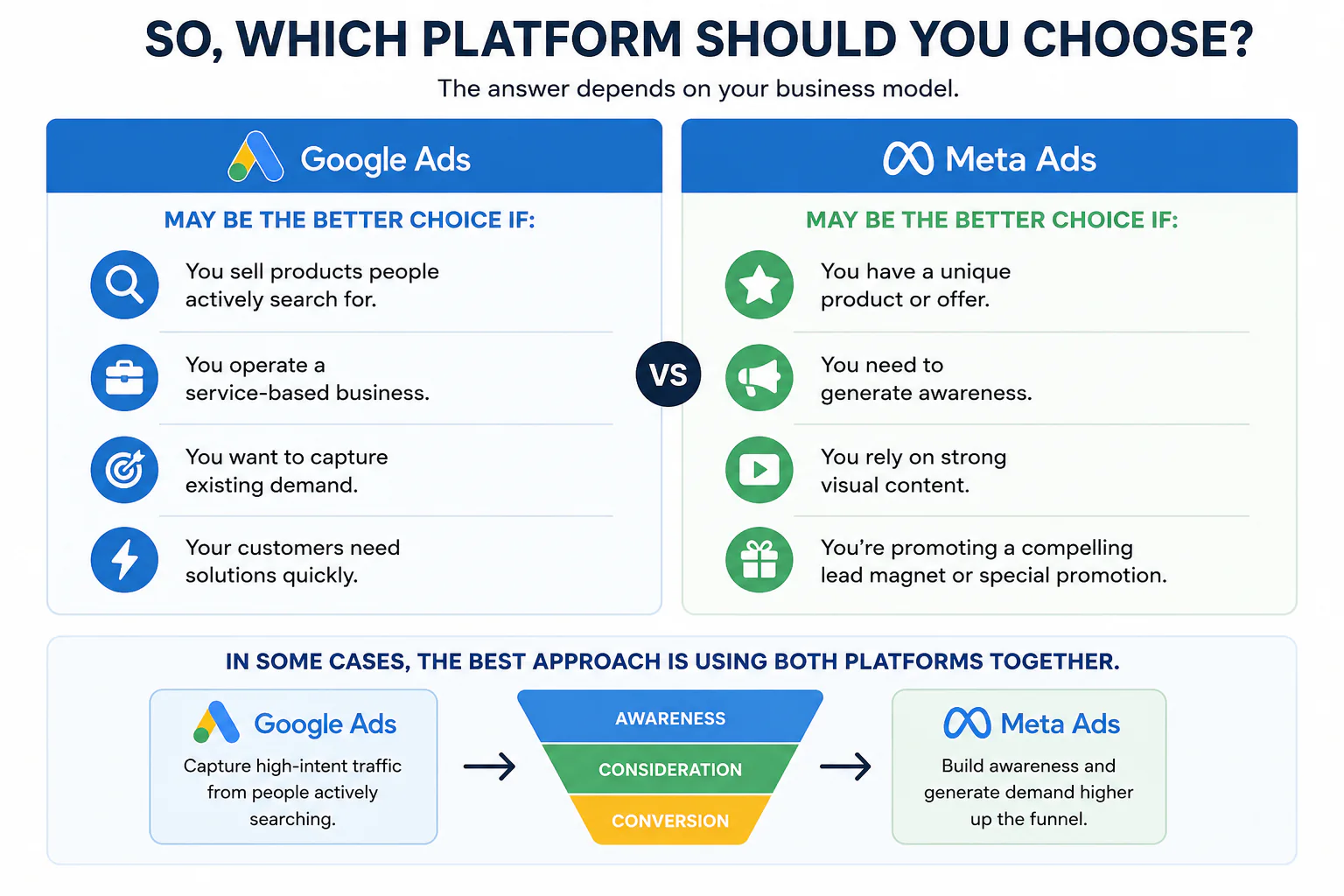
The answer depends on your business model.
Google Ads may be the better choice if:
You sell products people actively search for.
You operate a service-based business.
You want to capture existing demand.
Your customers need solutions quickly.
Meta Ads may be the better choice if:
You have a unique product or offer.
You need to generate awareness.
You rely on strong visual content.
You're promoting a compelling lead magnet or special promotion.
In some cases, the best approach is using both platforms together.
Google Ads can capture high-intent traffic, while Meta Ads can build awareness and generate demand higher up the funnel.
Need Help Choosing?
If you're still unsure whether Google Ads or Meta Ads is the right fit for your business, I'd be happy to help.
As a PPC freelancer with over eight years of performance marketing experience, I've worked with businesses across a wide range of industries and understand that every business is different.
If you'd like some honest advice on where to invest your advertising budget, feel free to get in touch through my contact page at jonnyswiftppc.com/contact. I'll happily point you in the right direction.