

You might be running an e-commerce business and looking at Google Ads to promote your products. One ad type you can use on Google Ads is Google Shopping ads.
In this blog post, I’m going to explain when you should consider using Google Shopping ads for your e-commerce business, when they make sense, and when they might not be the best option.
What Is a Google Shopping Ad?
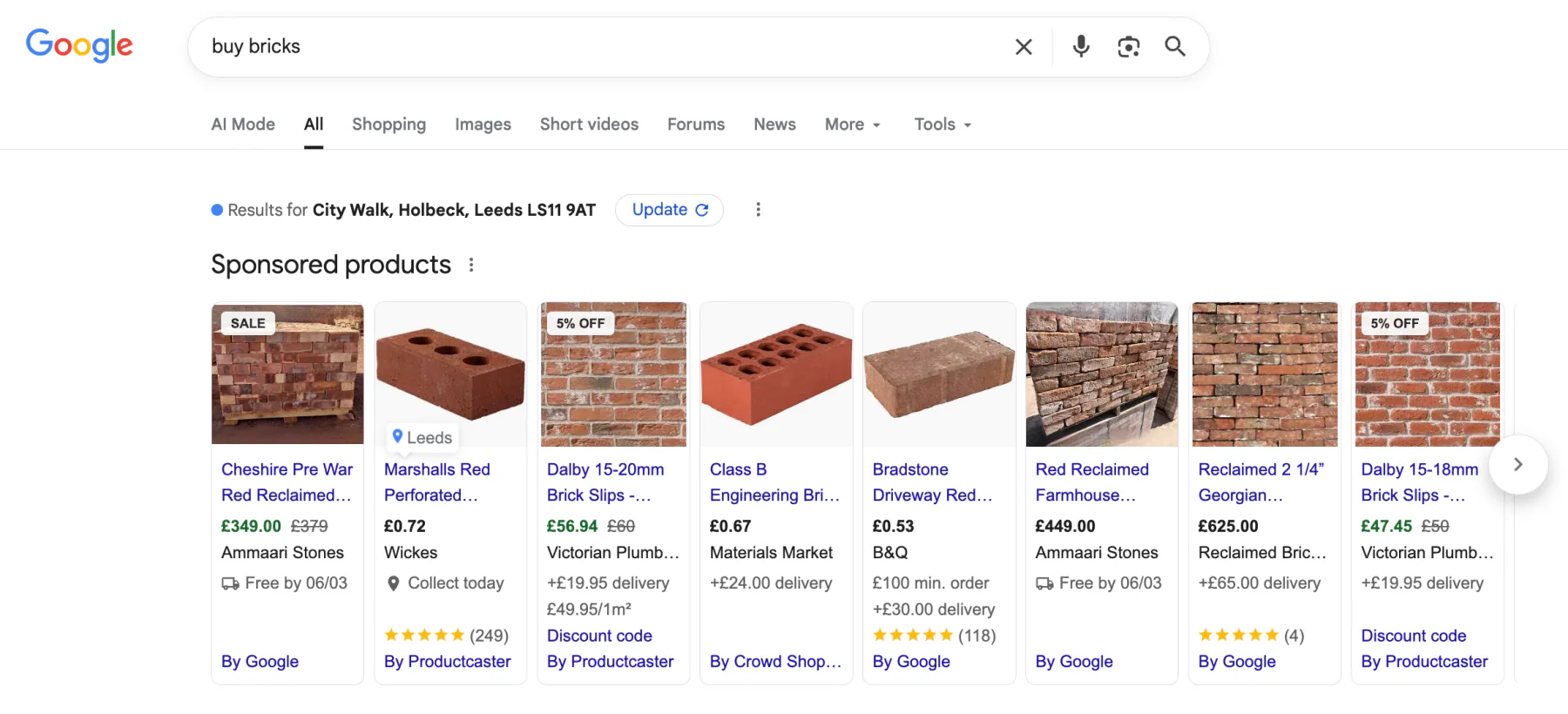
Google Shopping ads are the sponsored listings that appear at the top of a Google search results page. These ads showcase products directly, including:
Product image
Price
Store name
Reviews
They are designed to promote a specific product rather than just a website.
For example, if you are selling bricks, you might have a specific type of brick appear when someone searches for that product. The user can immediately see what you're offering before even clicking.
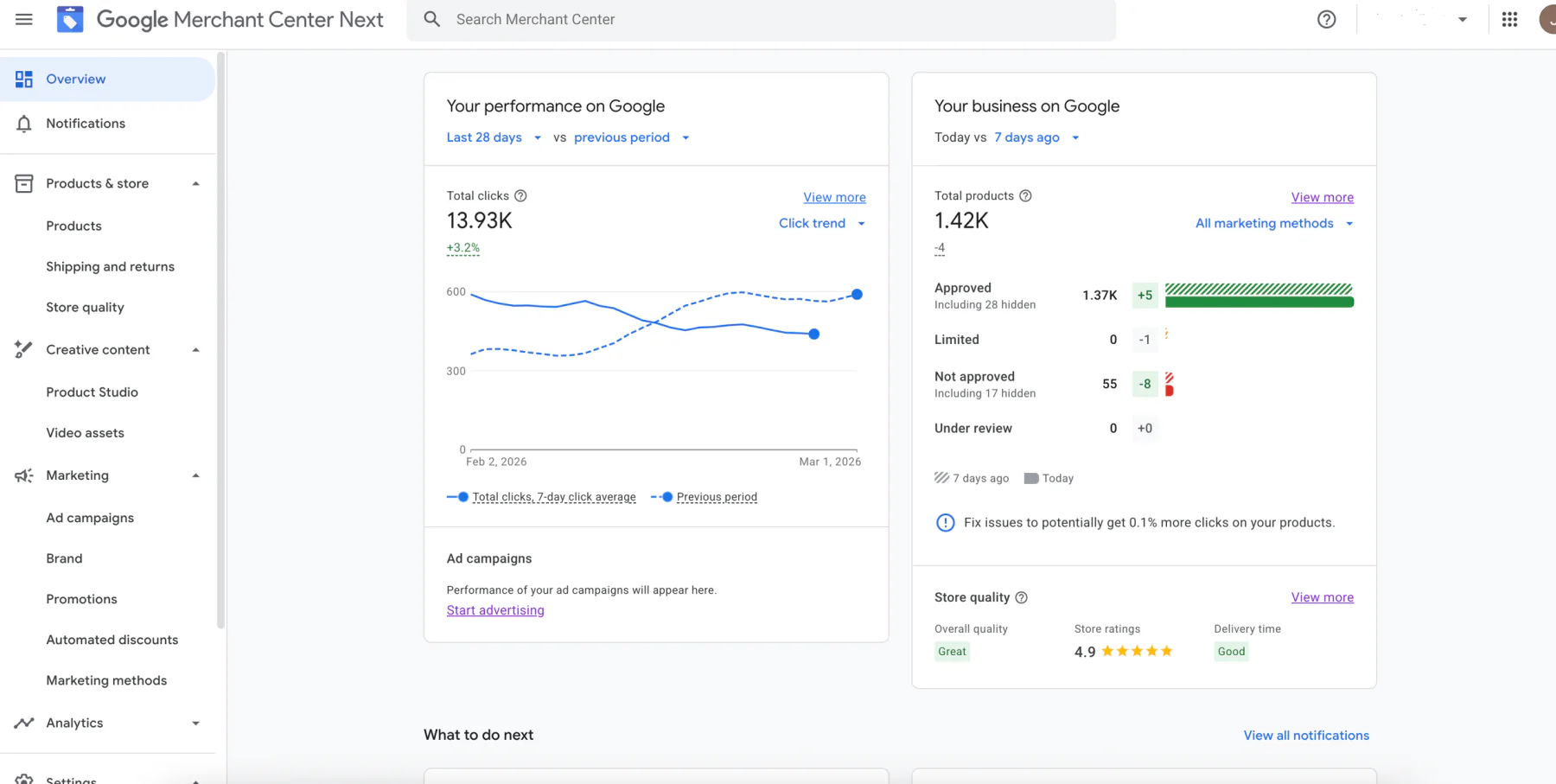
These ads are connected to Google Merchant Center. This is where your product data lives.
A few key points about Merchant Center:
It’s free to set up
It stores your product feed
It connects your products to Google Ads
Google uses it to match products with relevant searches
I recommend every e-commerce business sets this up, even if you’re not running ads yet. It can also help with free product listings.
Google then uses your product data and search intent to show the most relevant product to users who are likely to convert.
Do I Recommend Google Shopping Ads?
In short, yes.
If you’re running an e-commerce business, I do recommend using some form of Google Shopping ads, especially if you have the budget to support them.
They can be a very effective way to:
Get your products in front of a large audience
Drive targeted traffic
Increase the chances of conversions
Shopping ads are particularly useful because users can see the product before clicking. This often leads to higher intent traffic compared to some other ad types.
When They Work Best
From my experience, Shopping ads work well when:
You have competitive pricing
Your product images are strong
Your website is conversion-focused
You have enough budget to test properly
They can be especially valuable for startup e-commerce businesses because they provide a quicker route to traffic compared to SEO or other long-term strategies.
That said, you do need to be careful with budget early on. It’s easy to spend money quickly without seeing immediate returns if things aren’t set up correctly.
When I Wouldn’t Recommend Shopping Ads
There are definitely situations where I’d advise holding off or being cautious.
1. Your Budget Is Too Small
If your budget is very limited, for example under £10 per day, it may not be enough to generate meaningful results depending on your industry.
Shopping ads rely on testing and data. Without enough spend, it’s difficult for campaigns to optimise.
2. You’re Relying on Ads for Profit
I wouldn’t recommend going into Google Ads expecting it to be your only profit driver.
It can take time to:
Gather data
Optimise campaigns
Reach consistent profitability
If you rely solely on ads from day one, it can become risky.
You should always be building other channels alongside it, such as SEO or email marketing.
3. Your Website Isn’t Ready
If your website is brand new or not fully optimised, don’t rush into ads.
Make sure you have:
Clear product pages
Easy navigation
Trust signals (reviews, policies, etc.)
A smooth checkout process
Otherwise, you’ll pay for clicks that don’t convert.
4. Conversion Tracking Isn’t Set Up Properly
This is a big one.
If your conversion tracking is incorrect or missing, Google won’t know who your ideal customer is.
That means:
Poor optimisation
Wasted budget
Misleading performance data
Always ensure tracking is accurate before scaling.
Other Ad Types I Recommend
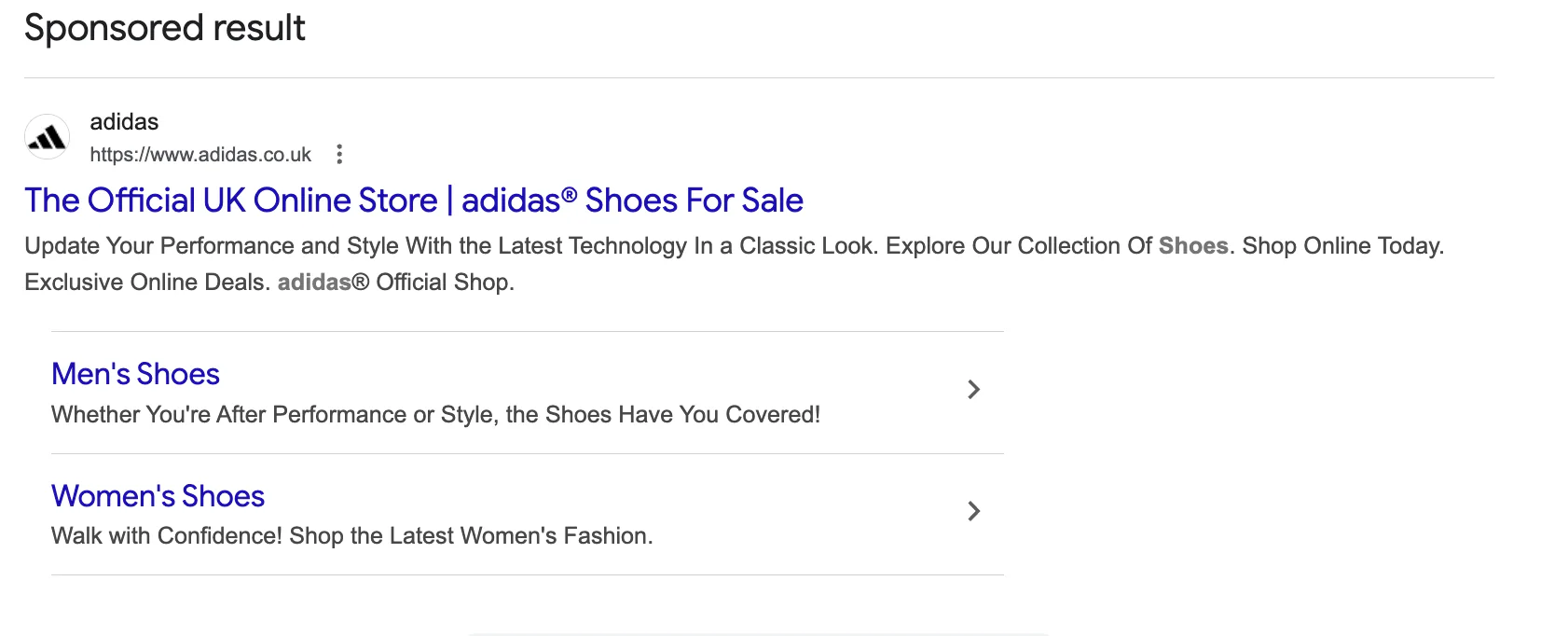
If I’m setting up a brand new campaign for an e-commerce business, I often start with search ads.
Why Start with Search Ads?
I find search campaigns:
Are simpler to control
Can perform better early on
Give clearer keyword-level data
For smaller budgets, this is usually a safer starting point.
Best Practices for Search Ads
Send traffic to a relevant product or category page
Avoid sending users to the homepage
Keep campaigns tightly themed
Focus on high-intent keywords
Sending users to the homepage often leads to poor performance, especially in e-commerce where users expect to land directly on a relevant product.
Combining Search and Shopping
Once you have more budget, a strong approach is to run both:
Search ads for intent targeting
Shopping ads for product visibility
Let both run for a few months, then:
Analyse performance
Check conversion data
Compare ROAS
Whichever is performing better, you can shift more budget towards that.
Final Thoughts
Google Shopping ads can be a powerful tool for e-commerce businesses, but they’re not a one-size-fits-all solution.
They work best when:
You have the right budget
Your website is ready to convert
Tracking is set up correctly
You’re not relying on them as your only growth channel
In many cases, I recommend starting with search ads and then expanding into Shopping once you have some data and budget behind you.
If you approach it strategically, Shopping ads can become a strong revenue driver over time.
Need Help with Your PPC Strategy?
If you're interested in professional PPC management to grow your e-commerce business, feel free to get in touch via my contact page at jonnyswiftppc.com/contact. I'd be happy to discuss how PPC can work for you.