

If you're running an e-commerce business, increasing your conversion rate is one of the fastest ways to generate more revenue without increasing your marketing budget.
Over the years, I've worked with a wide range of e-commerce businesses and I see the same mistakes repeatedly. In many cases, relatively small changes can produce significant improvements. I've helped businesses increase their conversion rate from around 2% to over 5%, which can more than double the revenue generated from the same amount of website traffic.
The good news is that improving your conversion rate doesn't always require a complete website redesign. Often, it's about removing friction, building trust and making it easier for customers to buy.
In this guide, I'll walk through some of the most effective strategies I use to improve eCommerce conversion rates.
Improve Your Landing Pages
Your landing pages play a huge role in determining whether visitors become customers.
For e-commerce websites, landing pages are often:
Category pages
Product pages
Promotional pages
Collection pages
These are the pages people arrive on after clicking a Google Ads campaign, social media advert or organic search result.
Build Trust Immediately
One of the biggest reasons visitors leave an e-commerce website without purchasing is a lack of trust.
When someone lands on your website for the first time, they need reassurance that your business is legitimate and reliable.
Some effective trust signals include:
Customer reviews
Product ratings
Testimonials
Trustpilot scores
Secure payment icons
Delivery information
Returns policies
Evidence of previous orders
Displaying these prominently can significantly improve confidence and encourage visitors to continue through the buying journey.
Use High-Quality Visuals
Visual presentation is everything in e-commerce.
Customers cannot physically interact with your products, so your images and videos must do the selling for you.
I recommend:
Professional product photography
Multiple product angles
Lifestyle imagery
Product demonstration videos
Zoom functionality
AI tools have also made it easier than ever to enhance product photography and create more engaging visual content. However, authenticity is still important, so ensure visuals accurately represent what customers will receive.
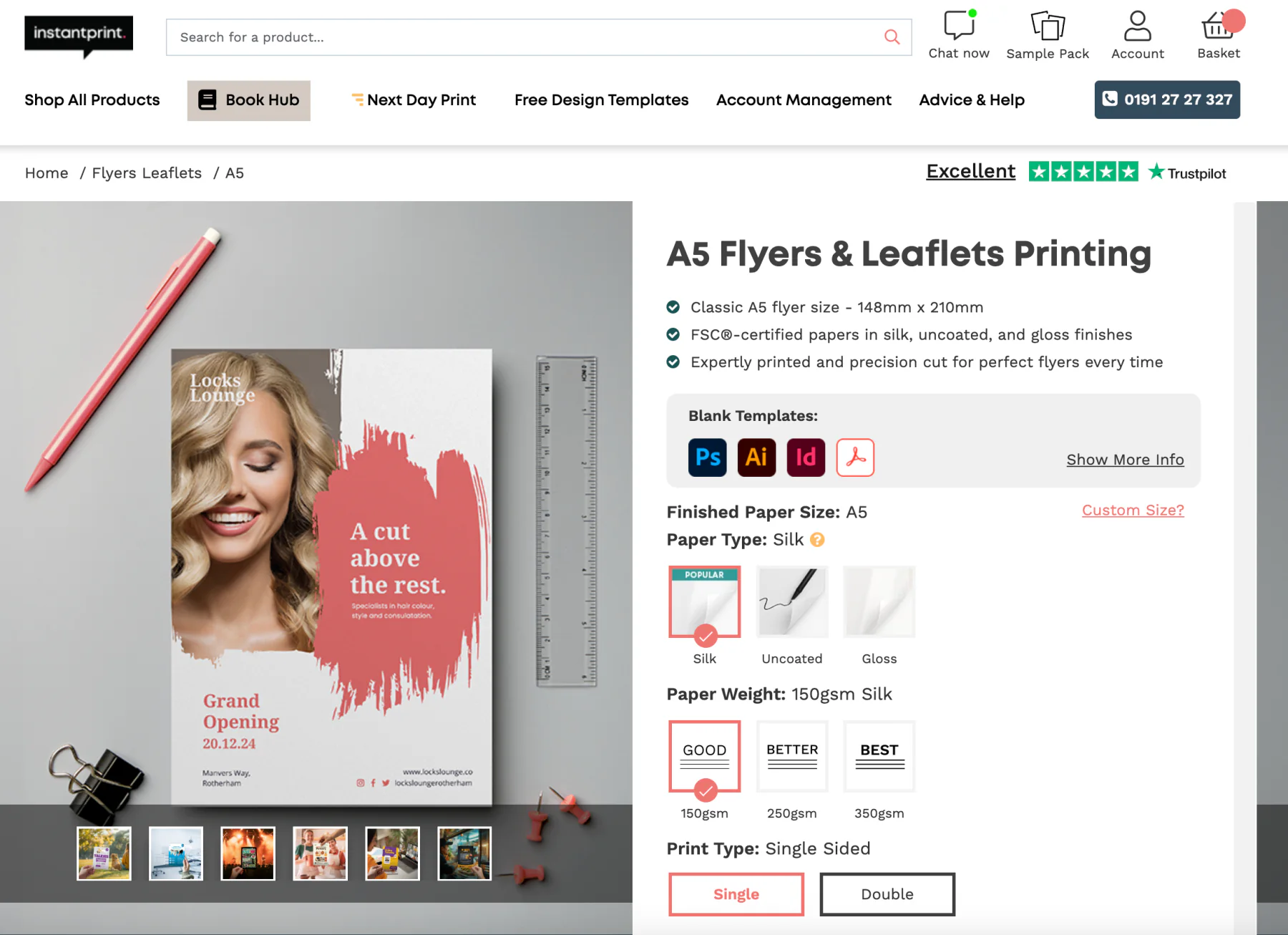
Offer Strong USPs and Incentives
Customers often compare multiple businesses before making a purchase decision.
Giving visitors a compelling reason to choose your business over competitors can dramatically improve conversion rates.
Offer Discounts Strategically
Discounts remain one of the most effective conversion tools.
For example, if multiple retailers are selling a similar product, a discount can provide the final incentive a customer needs to complete their purchase.
Popular approaches include:
Limited-time discounts
Seasonal promotions
Bundle offers
Multi-buy discounts
The key is ensuring the offer feels valuable without unnecessarily damaging your margins.
Use First-Time Customer Discount Codes
A particularly effective tactic is offering percentage-based discounts for new customers.
Examples include:
10% off your first order
15% off when joining your mailing list
20% off selected product ranges
This can help overcome hesitation and encourage first-time purchases.
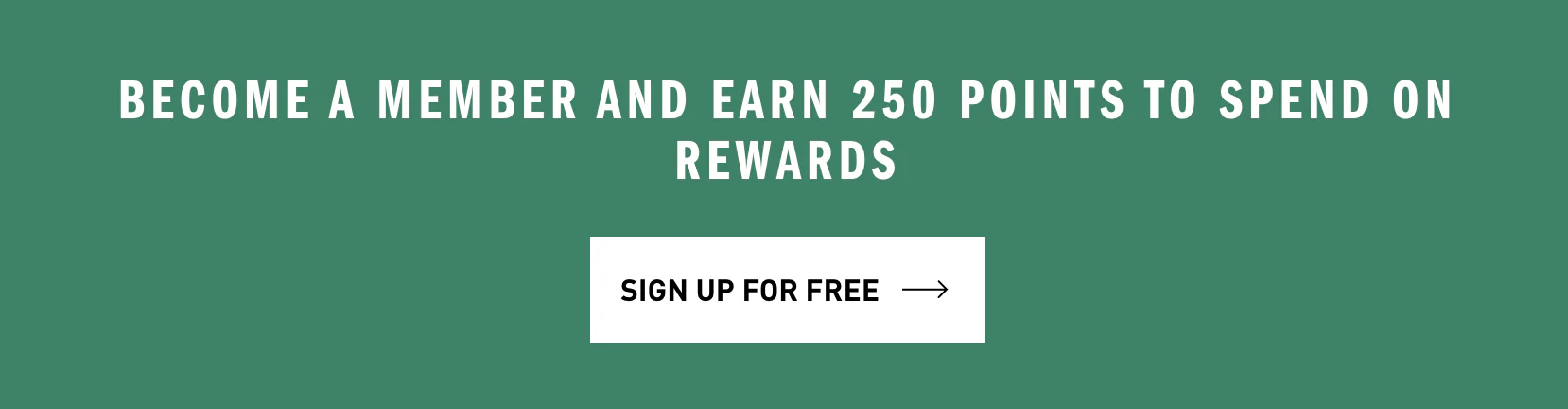
Example of an Adidas offer
Promote Free Delivery
Delivery costs remain one of the most common causes of cart abandonment.
If you offer free delivery, make sure visitors know about it.
Even if free delivery is subject to a minimum spend threshold, highlighting this throughout the website can encourage larger basket values and improve conversion rates.
Create a Seamless Checkout Process
Even if your product pages perform well, a complicated checkout can undo all of your hard work.
The checkout process should be as simple and straightforward as possible.
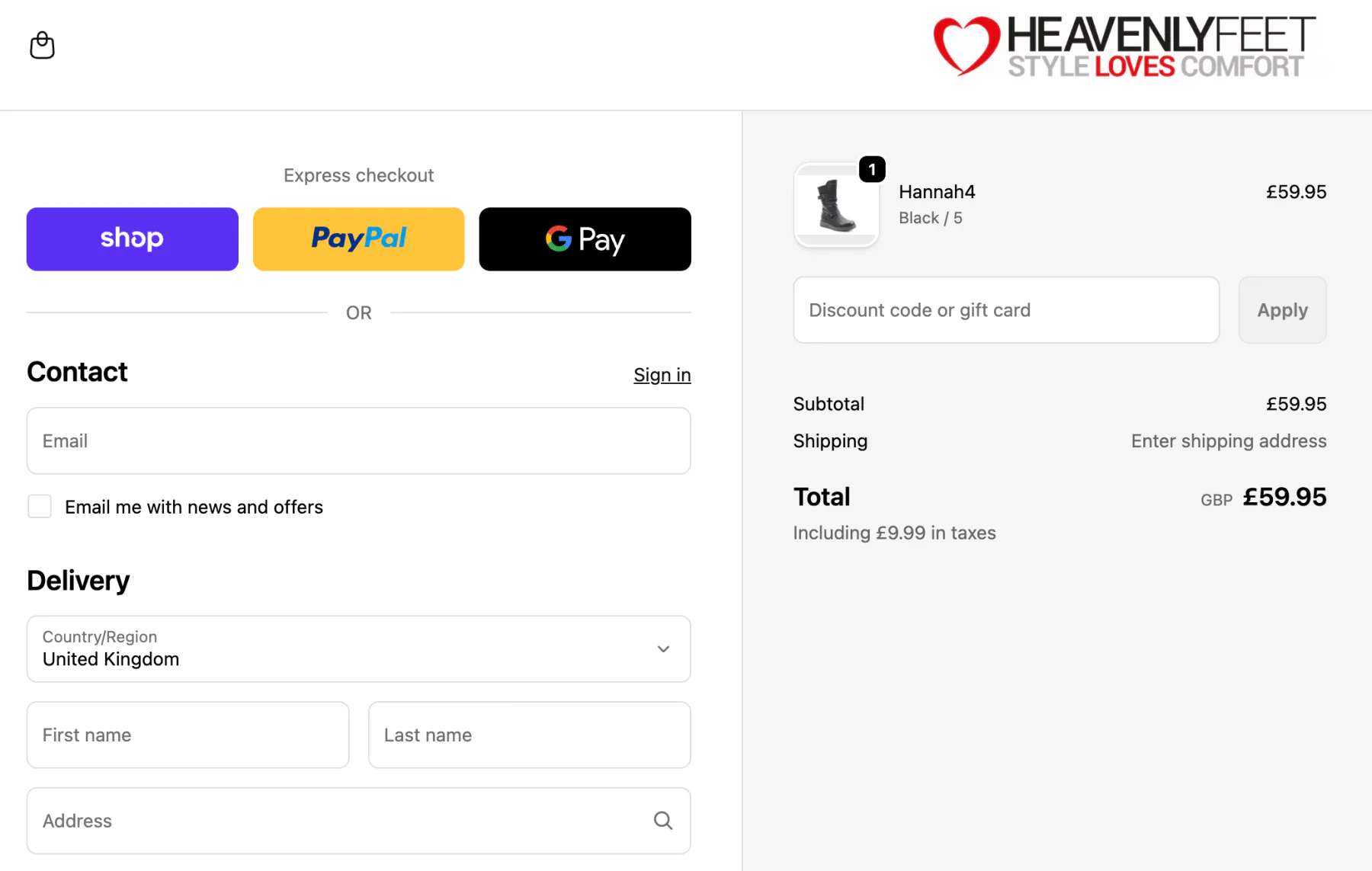
Remove Unnecessary Steps
Only ask customers for information that is genuinely required.
Typically, this includes:
Name
Email address
Delivery address
Phone number (if necessary)
Payment details
The more fields you ask customers to complete, the greater the chance they abandon their purchase.
Offer Multiple Payment Options
People have different payment preferences.
Some customers prefer traditional card payments, while others prefer digital wallets.
I recommend offering:
Apple Pay
Google Pay
PayPal
Credit and debit cards
Buy Now Pay Later options where appropriate
Giving customers flexibility can remove friction and improve checkout completion rates.
Allow Guest Checkout
Not everyone wants to create an account before making a purchase.
Guest checkout options can significantly reduce abandonment rates and help customers complete their orders more quickly.
Reduce Friction Throughout the Customer Journey
One of the most overlooked aspects of conversion rate optimisation is reducing the number of steps required for customers to achieve their goal.
The easier you make the buying process, the more likely visitors are to convert.
Cut Down the Journey
Review every stage of the customer journey and ask:
Is this step necessary?
Could this process be simplified?
Are customers likely to get confused here?
Removing unnecessary clicks, forms and navigation barriers can have a significant impact on conversions.
Use Visual Previews Where Relevant
Certain industries benefit hugely from visualisation tools.
This is particularly true for businesses selling:
Printing services
Signage
Custom products
Personalised items
Customers often want reassurance that the finished product will look exactly as expected.
Providing previews, mock-ups or visual examples can increase confidence and reduce hesitation before purchase.
Monitor and Test Continuously
Conversion rate optimisation is not a one-time task.
Consumer behaviour changes, competitors evolve and new opportunities emerge.
Regularly test:
Landing page layouts
Product imagery
Calls to action
Discount offers
Checkout processes
Mobile user experience
Even small improvements can generate significant increases in revenue over time.
Conclusion
Increasing your e-commerce conversion rate is often far more cost-effective than increasing your advertising spend.
By improving landing pages, building trust, using stronger incentives, simplifying checkout processes and reducing friction throughout the customer journey, you can significantly increase the percentage of visitors who become paying customers.
If you're interested in professional PPC management and conversion rate optimisation to grow your business, feel free to get in touch via my contact page at jonnyswiftppc.com/contact. I'd be happy to discuss how PPC and conversion optimisation can work together to help grow your business.